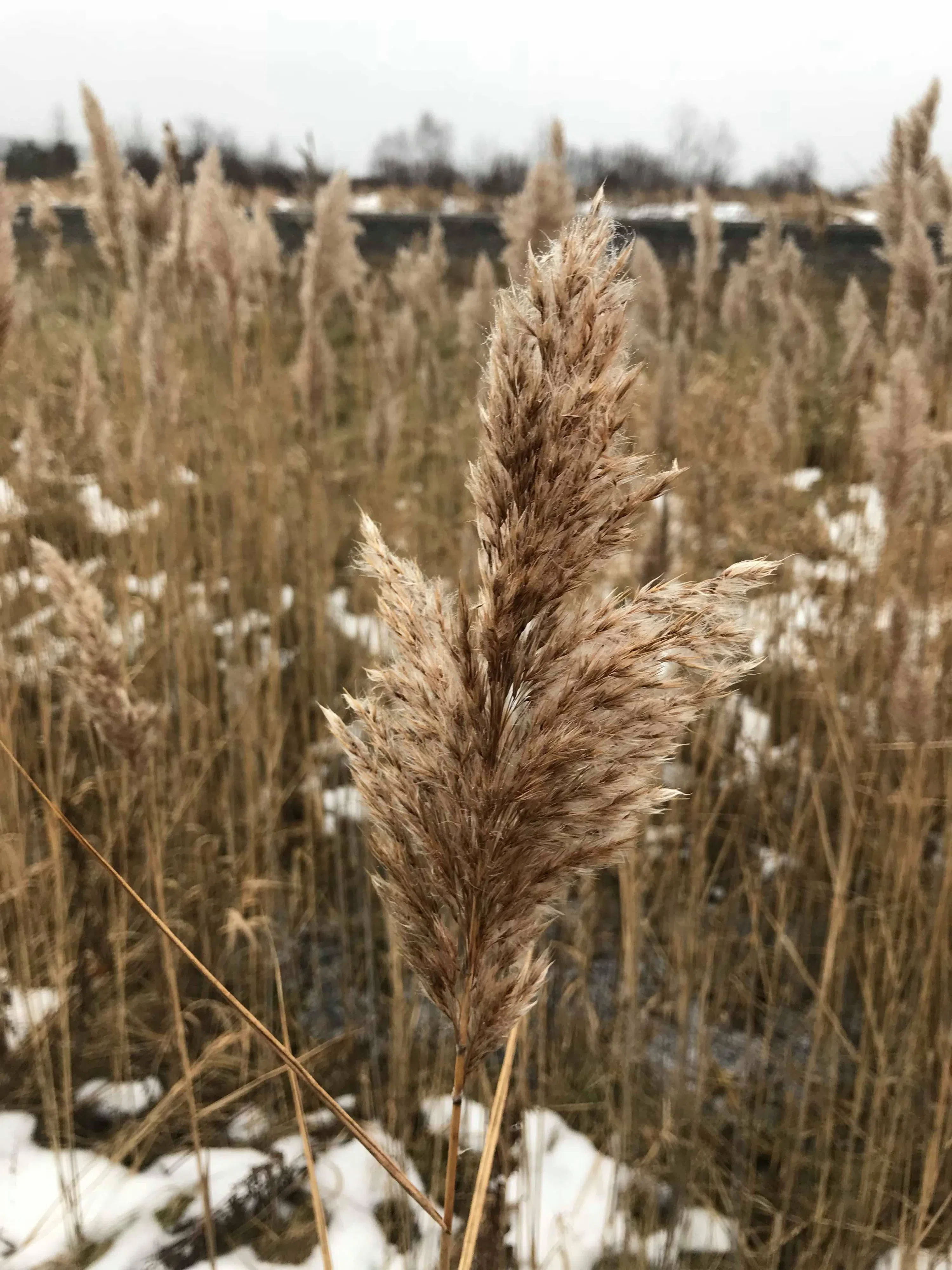
Norfolk County will be carrying out pesticide applications along selected rural roadsides this fall as part of an effort to control the invasive European common reed, also known as Phragmites.
The county says the work will target areas around rural roadside guide rails and guide cables within municipal road allowances.
The pesticide applications are scheduled to begin today and are expected to be completed by October 31.
The county notes that the start date is approximate and could change depending on weather and whether conditions are suitable for the applications.
Two pesticides registered under Canada’s Pest Control Products Act may be used as part of the program.
Those products are VisionMAX Silviculture Herbicide, which contains glyphosate as its active ingredient, and ARSENAL PowerLine Herbicide, which contains imazapyr.
Norfolk County says applications in drainage ditches will be restricted to terrestrial areas where there is no surface water present.
The work is being conducted under the public works exception to Ontario’s cosmetic pesticide ban.
The county says the exception allows pesticide use for the promotion of health or safety.
European common reed, or Phragmites australis, is an invasive plant that can spread rapidly and establish dense stands along roadsides and other areas.
The county’s fall treatment program is specifically intended to control the plant in selected roadside locations.
