Grand Erie Public Health says it is expanding harm reduction services and outreach efforts following a sharp increase in suspected overdoses across the region.
According to Brantford Police data, 65 overdoses were reported in April — the highest monthly total recorded since data collection began in 2020. Officials also report four suspected drug-related deaths during the same period.
Public health officials believe the recent spike may be linked to contamination within the unregulated fentanyl supply, including the presence of medetomidine — sometimes referred to as “tranq” — and benzodiazepines.
Recent drug-checking data from Toronto found the vast majority of tested fentanyl samples also contained other central nervous system depressants. Nearly half included a combination of fentanyl, veterinary tranquilizers, and benzodiazepine-related substances.
Officials warn the combination significantly increases overdose risk.
While naloxone does not reverse the effects of benzodiazepines or medetomidine, health officials stress it should still always be administered during a suspected overdose because it can reverse the opioid portion of the poisoning.
Brantford General Hospital also reported 65 opioid overdose-related emergency department visits in April — the highest monthly figure seen there in four years.
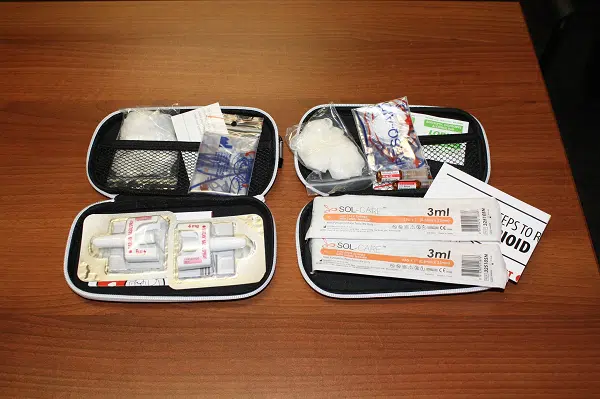
In response, Grand Erie Public Health and community partners involved in the Lighthouse Community Strategy and the Brantford-Brant Community Drug Strategy are expanding outreach efforts and increasing distribution of naloxone kits, drug test strips, and other harm reduction supplies.
Public health officials also announced expanded hours at The DROP in Simcoe. The site at 185 Robinson Street is now open Monday through Friday from 10 a.m. to 3 p.m. until May 15 to provide safer-use supplies, naloxone kits, drug test strips, and additional supports.
Residents are being encouraged to learn the signs of overdose and call 9-1-1 immediately during emergencies. Officials also remind the public that the Good Samaritan Drug Overdose Act provides some legal protection for people seeking emergency assistance during an overdose situation.
