Grand Erie Public Health has issued an alert after a noticeable increase in suspected opioid-related drug poisonings in the Brantford-Brant area.
Between January 1 and January 4, seven drug-related incidents were reported to the Brantford Police Service — a number considered higher than typical for such a short time period.
At this stage, the specific substances involved remain unknown.
Public health officials are urging residents to exercise extreme caution when using any drugs that are not prescribed to them.
Unregulated substances can have unpredictable strength or contain dangerous contaminants, including fentanyl or other high-potency opioids.
Those who are new to drug use are considered to be at particularly high risk.
Anyone who believes a person may be experiencing a drug overdose is urged to call 9-1-1 immediately.
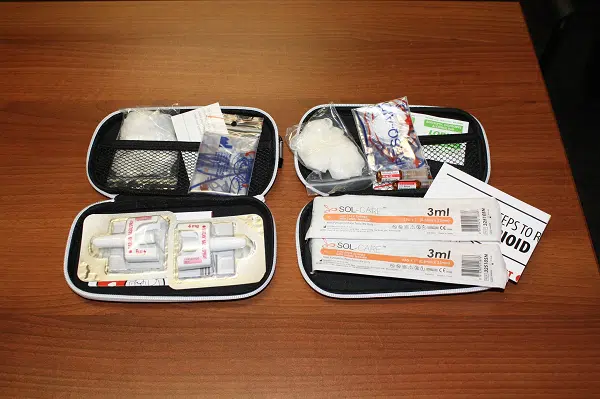
If naloxone is available, it should be administered right away.
Naloxone temporarily reverses the effects of opioid overdoses and is safe to use even if opioids were not intentionally consumed.
If opioids are not present, naloxone will have no harmful effect.
Public health officials emphasize that naloxone is a short-term response and can wear off before the person has fully recovered.
Emergency medical services must always be contacted, even if the individual appears to improve.
Under the Good Samaritan Drug Overdose Act, individuals who call 9-1-1 for help during an overdose situation are protected from charges related to simple possession of drugs.
The legislation is designed to encourage people to seek emergency assistance without fear, potentially saving lives.
Grand Erie Public Health recommends several steps to reduce overdose risk:
Avoid using drugs alone whenever possible. If using alone, arrange for someone to check on you or contact the National Overdose Response Service (NORS) at 1-888-688-NORS (6677), which provides monitored support by phone.
Use caution when trying a new substance or purchasing from a new supplier.
Taking a small test dose first can reduce risk.
Carry naloxone at all times, even if opioids are not expected.
Use drug-checking tools when available. Fentanyl and xylazine test strips can be accessed through SOAR Community Services at 133 Elgin Street, 1-225 Fairview Drive, and the Positive Health Network Van.
Additional information on overdose response, harm-reduction services, and opioid awareness is available on the Grand Erie Public Health website.
Updated opioid-related statistics can also be found through the Brant/Brantford Opioid Information System.
This alert was issued by Grand Erie Public Health in collaboration with the Brantford-Brant Community Drugs Strategy.